

The Farmer’s Dog in 2026: What’s New, Pros & Cons, and Is It Right for Your Dog?
Sponsored Post | In partnership with The Farmer’s Dog
At The Savvy Sitter, we spend a lot of time around dog food.
When you care for pets professionally every day, you see just about everything: kibble, canned diets, prescription foods, home-cooked meals, refrigerated food, toppers, supplements, and increasingly, fresh dog food delivered directly to the home.
One company that has played a significant role in bringing this style of feeding into the mainstream is The Farmer’s Dog.
You’ve probably seen the boxes arriving on doorsteps, personalized packages tucked into clients’ refrigerators, or one of their advertisements. The company has also been making some interesting moves within the larger pet-care industry.
So what exactly is The Farmer’s Dog? What is the company doing within the pet-care industry right now? And what are some of the real pros and cons pet parents should consider?
Let’s dig in.
What Is The Farmer’s Dog?
The Farmer’s Dog is a fresh dog-food company offering personalized, pre-portioned meal plans.
Pet parents provide information about their dog—including age, weight, breed, and activity level—and receive frozen meal packs with feeding recommendations based on their individual dog.
The food is gently cooked rather than served raw.
The company says its recipes are developed with veterinary nutrition expertise and formulated to be complete and balanced according to AAFCO nutritional standards.
And when it comes to choosing any dog food, nutritional adequacy is far more important than whether the food simply sounds appealing to us as humans.

What Does AAFCO Mean?
You may see the letters AAFCO mentioned when researching dog food.
AAFCO stands for the Association of American Feed Control Officials, an organization that helps establish nutritional standards, ingredient definitions, and model labeling guidelines used by pet-food regulators throughout the United States.
One important clarification: AAFCO does not personally approve or certify individual dog-food brands.
Instead, pet-food companies may formulate foods to meet AAFCO-established nutrient profiles, or they may conduct feeding trials using AAFCO protocols.
You can usually find this information in the nutritional adequacy statement printed on the food’s packaging.
For pet parents, that statement can help explain whether a food is intended to provide complete and balanced nutrition for a particular life stage, such as adult maintenance or growth.
AAFCO standards are an important part of pet-food nutrition, but they are only one piece of the picture.
Veterinary nutrition expertise, quality-control practices, ongoing research, your dog’s individual health needs, and guidance from your veterinarian are also important when choosing a food.
Dog Nutrition Continues to Evolve

One thing we think is especially important to remember is that the science surrounding canine nutrition continues to develop.
Research isn’t finished.
Studies continue to examine different foods, ingredients, processing methods, feeding styles, nutrients, hydration, longevity, weight management, and how nutrition may affect dogs at different stages of their lives.
And that research isn’t limited to fresh food.
The pet-food industry as a whole continues to study kibble, canned food, fresh food, therapeutic diets, ingredients, formulation, and canine nutrition in general.
That’s a good thing.
As professional pet-care providers, we don’t think pet parents need to choose a “team” when it comes to food.
Nutrition isn’t a competition between fresh food and kibble.
It’s about finding a nutritionally appropriate option that works for your individual dog, your veterinarian’s recommendations, and your household.
The Farmer’s Dog Is Becoming More Mainstream
Fresh and refrigerated dog food has become increasingly visible within the larger pet-food market.
In 2026, The Farmer’s Dog expanded beyond its traditional direct-to-consumer model, making its personalized meal plans accessible through additional major online retailers.
That is an interesting development for the pet-care industry.
Products that once occupied a relatively small corner of the pet-food world are becoming easier for everyday pet parents to access.
As more feeding options become available, pet owners are also asking more questions—and that’s something we support.
- Ask questions.
- Talk with your veterinarian.
- Research the company.
- Learn what nutritional standards mean.
- And pay attention to how your own dog responds to their diet.

Moving Beyond the Food Bowl

Another interesting development in 2026 was The Farmer’s Dog’s move into the world of canine enrichment.
The company announced an agreement to acquire Woof, the company behind products such as the Pupsicle enrichment toy.
As professional pet sitters and dog walkers, this particularly caught our attention because we are huge believers in enrichment.
A dog’s wellness involves much more than what’s in the food bowl.
- Nutrition matters.
- Exercise matters.
- Mental stimulation matters.
- Rest matters.
- Social interaction matters.
- Veterinary care matters.
- And having appropriate outlets to lick, sniff, chew, explore, play, and problem-solve matters too.
Seeing companies within the pet industry take a broader look at canine wellness is an interesting trend that we’ll continue watching.
Investing in Veterinary Nutrition
The Farmer’s Dog has also been investing in veterinary nutrition education and research.
In 2026, the company announced a partnership with the University of Georgia College of Veterinary Medicine supporting a Small Animal Clinical Nutrition Residency position and the education of future veterinary nutrition specialists.
The company has also participated in feeding research, including longer-term research conducted with Cornell University College of Veterinary Medicine.
We like seeing companies invest money back into research and education.
At the same time, pet parents should understand that nutrition research is ongoing, both for The Farmer’s Dog and throughout the broader pet-food industry.
One study doesn’t settle every question about canine nutrition.
Our understanding will continue evolving as more independent and industry-supported research becomes available.

Supporting Rescue Dogs
The Farmer’s Dog has also become involved with additional animal-welfare initiatives.
In August 2026, the company announced a partnership with professional tennis player and rescue-dog advocate Jessica Pegula supporting A Lending Paw Foundation.
The organization rescues and rehabilitates dogs, with qualifying dogs eventually receiving training to become service animals.
The Farmer’s Dog is providing food for dogs within the program while also supporting fundraising efforts.
As people who have built our careers around animals, we always appreciate seeing resources directed toward rescue, rehabilitation, and animal welfare.
The Pros of The Farmer’s Dog
There are several reasons some pet parents may find The Farmer’s Dog appealing.
Personalized Portions
One of the practical benefits is portion control.
It can be surprisingly easy to overfeed a dog—especially when we’re using a scoop and estimating portions.
The Farmer’s Dog creates feeding recommendations based on information about the individual dog.
Of course, you should still monitor your dog’s body condition and weight and discuss changes with your veterinarian.
Convenience
Preparing a nutritionally complete home-cooked diet yourself can require considerable planning.
The Farmer’s Dog handles the preparation and portioning.
Meals arrive prepared, you keep them frozen, thaw them as needed, and serve according to your dog’s feeding plan.
For busy pet parents, that convenience can be a significant benefit.
You Don’t Necessarily Have to Feed It as the Entire Meal
Here’s another option pet parents sometimes overlook:
The Farmer’s Dog can also be incorporated as a topper or as part of your dog’s feeding routine.
For some families, feeding exclusively fresh food may not fit the household budget or routine.
Using a portion alongside your dog’s regular food may give you another way to incorporate it.
If you’re combining foods, however, remember that those calories still count.
Adding a topper on top of a dog’s normal daily calories without adjusting the rest of the meal can contribute to weight gain.
Your veterinarian can help you determine an appropriate amount, particularly if your dog needs careful weight management or has a medical condition.
Pre-Portioned Food Is Pet-Sitter Friendly
Here’s one advantage coming straight from your professional pet sitters:
We love clearly labeled and portioned meals!
Anything that reduces confusion surrounding feeding instructions is a win.
There’s much less:
- “Was that one scoop or one and a half?”
- “Which scoop?”
- “Does he get this topper at breakfast or dinner?”
- “Was this container for today or tomorrow?”
Clearly prepared meals make it easier for anyone caring for your pet to keep their routine consistent.
It Is Cooked, Not Raw
Fresh doesn’t automatically mean raw.
The Farmer’s Dog meals are gently cooked.
That distinction can be important for families who are interested in this style of food but do not want to feed or handle a raw diet.
Veterinary Nutrition Expertise
One thing we encourage pet parents to investigate with any food is who formulated it and what nutrition expertise is behind the product.
Pet-food marketing can make an ingredient list sound wonderful, but nutrition involves much more than recognizable ingredients.
We appreciate seeing veterinary nutrition expertise included in the formulation and research process.
It May Appeal to Picky Eaters
Anyone who has cared for a particularly opinionated eater knows the struggle.
Some dogs find refrigerated or fresh foods very appealing.
For households with picky dogs, palatability may be one reason to explore it.
The Cons of The Farmer’s Dog
Sponsored does not mean we’re going to pretend there aren’t drawbacks.
There absolutely are considerations.
The Price
This is probably the biggest hurdle for many families.
Fresh dog food can cost substantially more than many traditional feeding options.
The difference becomes even more noticeable with large dogs or multi-dog households.
Using it as a topper or as part of a dog’s diet may be one option for families who want to try it without making it their dog’s entire meal.
You’ll Need Freezer and Refrigerator Space
This one sounds minor—until the box arrives.
- The food needs to stay frozen or refrigerated.
- Large dogs need more food.
- Multiple dogs need even more food.
And suddenly you’re negotiating freezer real estate with your dog’s dinner.
Florida Hurricane Season Requires Planning
This is something we’re particularly conscious of here in Florida.
Frozen and refrigerated diets require additional planning during prolonged power outages, hurricanes, evacuations, and travel.
Shelf-stable food is naturally easier to store during an emergency.
If refrigerated food is part of your dog’s regular diet, make sure your family’s hurricane and emergency plan includes an appropriate feeding backup.
Traveling Takes More Planning
This type of food can certainly travel with you, but you’ll need to account for refrigeration.
The same applies when your dog is staying with a family member or caregiver.
For Savvy Sitter clients, we simply ask that meals are clearly prepared and that feeding instructions are updated in your pet’s profile.
It Isn’t a Prescription Diet
Dogs with certain medical conditions may require specialized therapeutic or prescription nutrition.
The Farmer’s Dog does not replace a prescription veterinary diet.
If your pet has kidney disease, pancreatitis, urinary issues, gastrointestinal disease, significant allergies, or another medical condition, dietary changes should be discussed with your veterinarian first.
It May Not Work for Every Dog
There simply isn’t one food that works perfectly for every dog.
- Some dogs have allergies.
- Some need specialized proteins.
- Some have sensitive gastrointestinal systems.
- Some have medical dietary restrictions.
- And some dogs absolutely thrive on the food they’re already eating.
Changing something simply because it’s new or popular isn’t always necessary.
So, Would The Savvy Sitter Recommend The Farmer’s Dog?
We think it’s an option worth exploring for pet parents who are interested in this style of feeding.
We particularly appreciate the pre-portioned meals, veterinary nutrition involvement, convenience, and the company’s continued investment in areas such as nutrition research, veterinary education, enrichment, and animal welfare.
But we aren’t going to tell every pet parent to empty their pantry and switch foods.
Talk with your veterinarian and choose what works for your dog.
If your dog is maintaining an appropriate weight, doing well on a nutritionally complete food, and your veterinarian is happy with their health, you may already have a feeding plan that works wonderfully.
If you’re curious about The Farmer’s Dog, you can also start by exploring it as a topper or part of your dog’s regular feeding routine rather than immediately changing everything your dog eats.

Want to Give The Farmer’s Dog a Try?
If you’ve been curious about The Farmer’s Dog and want to see whether it might work for your pup, you can use The Savvy Sitter’s special offer to give it a try.
You can explore a full personalized feeding plan or consider incorporating a portion into your dog’s existing routine as a topper.
As with any significant dietary change, introduce new foods gradually unless your veterinarian recommends otherwise.
Our Perspective as Professional Pet Sitters
After more than a decade caring for pets, we’ve learned that good pet care usually isn’t about chasing the newest trend.
It’s about paying attention to the individual animal standing in front of you.
Every pet has different routines, personalities, exercise requirements, medical histories, nutritional needs—and very strong opinions about dinner.
Our job at The Savvy Sitter isn’t to tell you that every dog should eat exactly the same thing.
It’s to encourage pet parents to stay informed, ask questions, work with their veterinary team, and make choices that make sense for their individual pets.
The science of dog food and canine nutrition will continue evolving.
We’ll continue learning along with it.
And whether your dog’s dinner comes from a bag, a can, a refrigerator, or some combination of the three, what matters most is providing safe, nutritionally appropriate care for the dog you love.
A Note From The Savvy Sitter
This post is sponsored by The Farmer’s Dog. Sponsorship helps support The Savvy Sitter and allows us to continue creating educational resources for pet parents. Our goal is always to provide useful information—including both the benefits and considerations of products we discuss.
This article is provided for general educational purposes and is not a substitute for veterinary or veterinary-nutrition advice. Research into canine nutrition and pet food continues to evolve. Always speak with your veterinarian before making significant dietary changes, particularly if your dog has an existing medical condition or requires a specialized diet.
About the Author:

Savanna Westwood
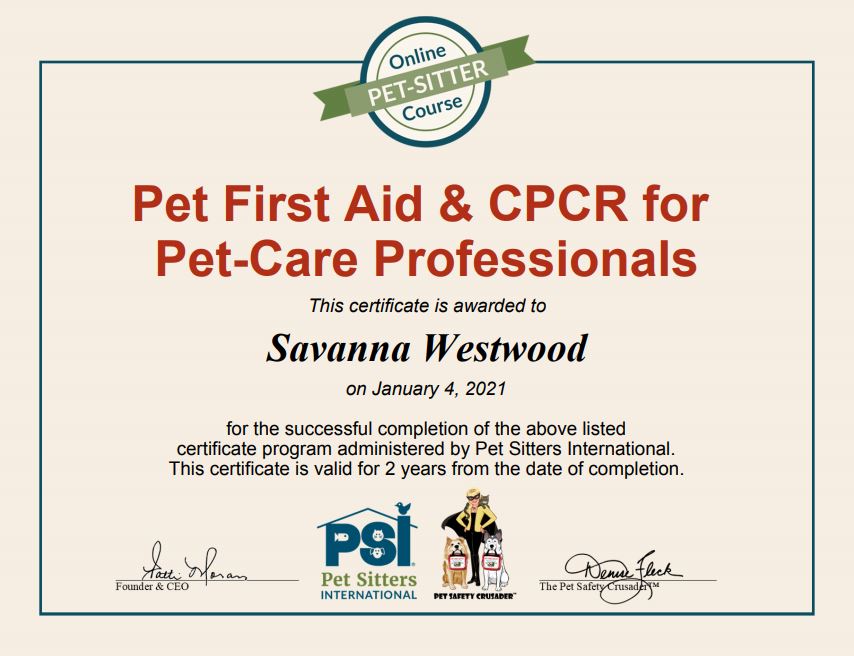
Savanna Westwood is the Owner and Founder of The Savvy Sitter, Pet Sitting and Dog Walking, LLC. She has grown up with animals all her life and enjoys spending time with them. Savanna has lived in the Winter Garden and Windermere Area for over 30 years. When she is not taking care of Fur Friends, one can find her reading, practicing archery, riding, and devising ways to provide additional and excellent services to clients. Savanna is a Certified Professional Pet Sitter with Pet Sitter International's CPPS certification and also holds certification in Pet First Aid and CPCR for Pet-Care Professionals.


The discussion of The Farmer’s Dog’s fresh, home-delivered meals is especially useful, particularly the reminder that convenience doesn’t automatically outweigh cost or dietary fit. The pros-and-cons framing should help owners decide whether this approach makes sense for their dog rather than treating it as a universal upgrade.
I appreciate that this review looks beyond the fresh-food marketing to weigh The Farmer’s Dog’s convenience, refrigerated delivery model, and potential downsides. The comparison with kibble, canned, prescription, and home-cooked diets is especially useful for deciding whether the added cost and commitment make sense for a particular dog.
The discussion of The Farmer’s Dog’s refrigerated, home-delivered meals is helpful, especially alongside the comparison with kibble, canned, prescription, and home-cooked diets. I also appreciate that the article weighs both the convenience and potential drawbacks before asking whether it’s truly right for a particular dog.