Florida Wildlife & Your Pet: Coyotes
Coyotes are found throughout Florida both in the urban and agricultural areas. You probably have heard stories of coyotes going after cats and smaller dogs, though attacks on people and larger dogs are rare they do happen. Here are some ways that you can protect yourself and your pets.
We have had quite a few Coyote sightings recently in the area due to the loss of habit, resources, and rise in construction. With more interaction and sightings, it appears that they may be getting more comfortable and lose their natural fear of people.
Identifying a Coyote
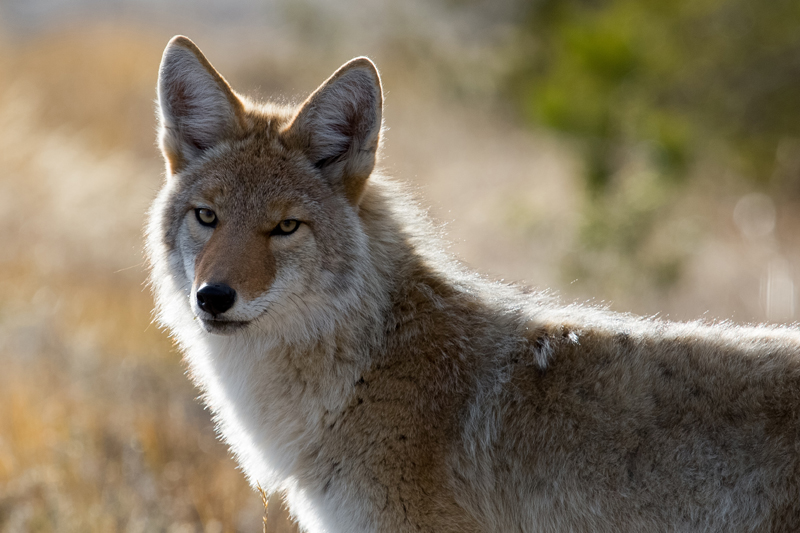
- At a distance, Coyotes look like skinny or sickly German Shepherds, but Coyotes are much smaller than German Shepherds and are more of a size of another breed like the Whippet. Coyotes are opportunists and scavengers for food, but they can hunt in packs as well. Some physical traits of coyotes are:
- Erect Pointy and Triangular Ears
- Grayish-Brown to Yellowish-Brown Coat
- Whitish Chest and Underbelly
- Long and Slender Muzzle with a small nose pad
- Bushy, drooping tail, and may feature a black tip
- Narrow Chest
- Coyotes run with its tail down versus a Dog’s tails are up in the air when they run.
Prevention
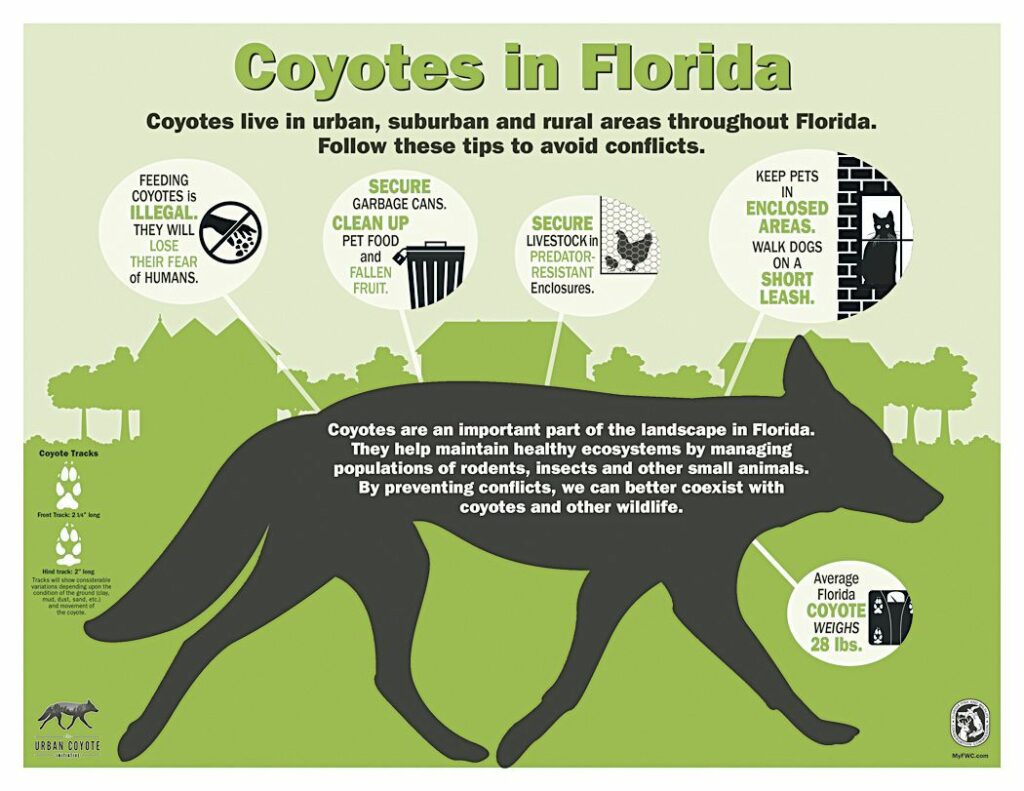
- There are several way to prevent coyotes from coming onto your properity, by removing whatever is attracting them to that area.
- Don’t keep pet food outside.
- Securely cover your trash and recycling cans.
- Keep cats indoors especially between the dusk and dawn hours (when coyotes tend to be most active).
- Make your yard a less attractive habitat by keeping your yard trimmed and clean.
- Coyote breeding season, which takes place from January through March they will be more active and territorial.
- Make sure your dog has a strong recall command.
- Do NOT use retractable leashes to walk your pet.
- Coyotes tend to be nocturnal but may also be active in the early morning and at sunset.
What to Do If You and Your Dog Are Followed By a Coyote:
- DO NOT TURN YOUR BACK or RUN
- Coyotes can run up to 40 mph over a short distance
- Make yourself seem bigger and more terrifying to the coyote by waving your arms, yelling, and making a lot of noise.
- Maintain Eye Contact with the Coyote
- Keep Your Pet Leashed and if you have Smaller Dog pick them up.
Products to Protect Yourself and Your Pet
- Anti-Coyote Collars and Jackets
- These products are often made vests are made of Kevlar and have spikes on the back of the jacket.
- Carry Air Horn or Whistle
- Pepper or Bear Spray
Want some more Savvy Secrets? Check them out:
What Should You Do Right After A Dog Bite?

Healthy Diet For Dogs And Cats: How To Make Smarter Food Choices
7 Ways To Help Your Senior Pet Stay Comfortable And Loved
How to Find Roommates with Pets or Pet-Friendly Rooms
About the Author:

Savanna Westwood
Savanna Westwood is the Owner and Founder of The Savvy Sitter, Pet Sitting and Dog Walking, LLC. She has grown up with animals all her life and enjoys spending time with them. Savanna has lived in the Winter Garden and Windermere Area for over 30 years. When she is not taking care of Fur Friends, one can find her reading, practicing archery, riding, and devising ways to provide additional and excellent services to clients. Savanna is a Certified Professional Pet Sitter with Pet Sitter International's CPPS certification and also holds certification in Pet First Aid and CPCR for Pet-Care Professionals.